

HCPAN MAKES STRONG CASE FOR HEALTHCARE PROVIDERS AT THE LAUNCH OF MANDATORY HEALTH INSURANCE PLAN
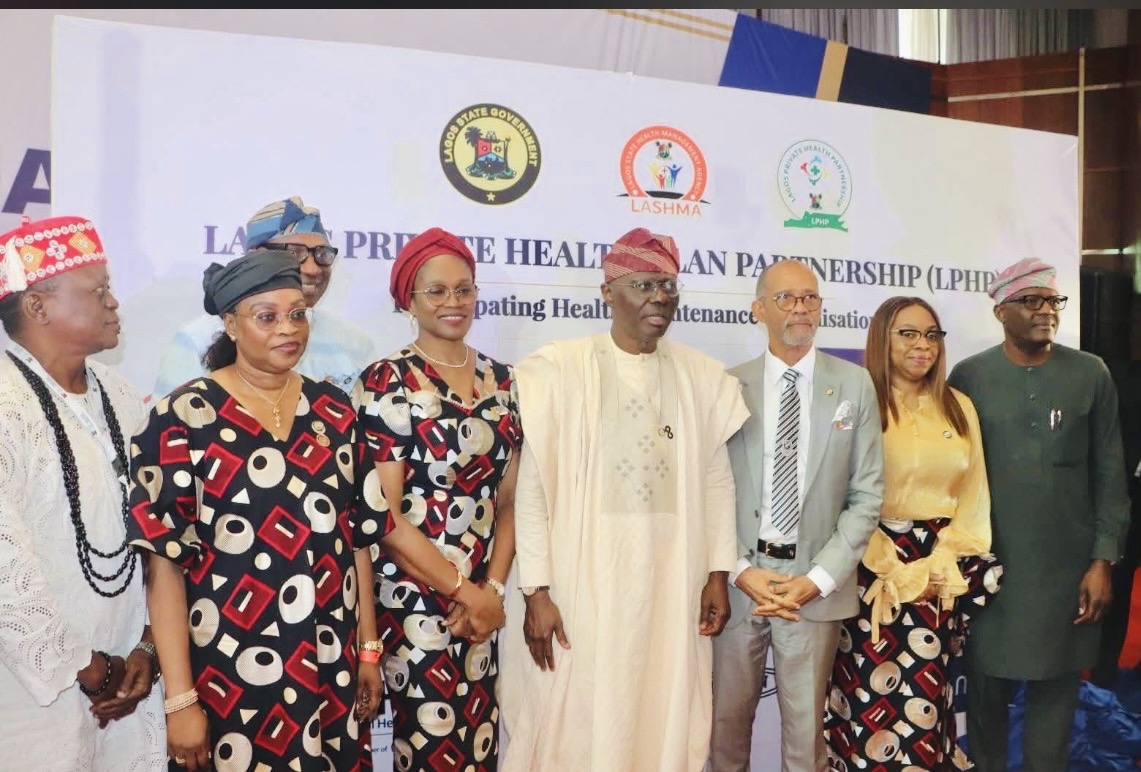
HCPAN MAKES STRONG CASE FOR HEALTHCARE PROVIDERS AT THE LAUNCH OF MANDATORY HEALTH INSURANCE PLAN
Association calls for timely reimbursement, fair accreditation, transparent implementation and sustained engagement with private healthcare providers
The Healthcare Providers Association of Nigeria (HCPAN) has reaffirmed its commitment to protecting the interests of private healthcare providers while supporting policies that expand access to affordable and quality healthcare, following the launch of the Lagos Private Health Plan (LPHP) Partnership by the Lagos State Government.
The launch, held on Tuesday at the Lagos Continental Hotel, Victoria Island, also marked the commencement of preparations for the enforcement of mandatory health insurance in Lagos State. Governor Babajide Sanwo-Olu announced December 31, 2026, as the end of the grace period for employers, workers and residents to obtain appropriate health insurance coverage, with enforcement scheduled to begin on January 1, 2027.
The initiative, anchored on Executive Order EO/BOS/01/2024, is designed to expand health insurance coverage, reduce dependence on out-of-pocket payments and establish a more sustainable healthcare financing system for Lagos residents.

For HCPAN, however, the success of this ambitious reform will depend not only on the number of residents enrolled but also on whether healthcare providers receive fair treatment, prompt reimbursement for services rendered and the institutional support required to deliver quality care.
The National President of HCPAN, Dr Austin Aipoh, commended the Lagos State Government for the consultations that preceded the launch but emphasised the need for transparent implementation, timely reimbursement, simplified payment procedures and fair accreditation processes.
He maintained that the success of health insurance reform should be assessed by its actual impact on patients and healthcare providers, particularly the ability of insured residents to access appropriate treatment without suffering financial hardship.
His position reflects a central concern among private healthcare providers, insurance coverage must translate into accessible services, while facilities delivering those services must receive payments that enable them to remain operational and maintain acceptable standards of care.
The immediate past National President of HCPAN, Dr Chief Adeyeye Jimmy Arigbabuwo, reinforced in his goodwill message, the need for a sustained engagement between the government and all relevant healthcare provider groups.
He specifically called for the inclusion of private hospitals, medical practitioners, pharmacists, medical laboratory scientists and other health professionals in the implementation process.
His intervention underscored the multidisciplinary character of healthcare delivery and the need for every professional group involved in patient care to have a voice in decisions affecting the health insurance system.
For HCPAN, the message is clear, mandatory health insurance should be implemented through partnership, consultation and mutual accountability rather than a system in which policies are developed without sufficient consideration of the operational realities of healthcare facilities.
Governor Sanwo-Olu described the LPHP Partnership as an important step towards building a healthcare financing system in which access to medical treatment would not depend solely on an individual’s ability to pay at the point of illness.
He explained that the existing Ilera Eko scheme had focused significantly on vulnerable populations and people working in the informal sector, creating the need for a complementary arrangement that would accommodate salaried employees and corporate organisations.
According to the Governor, actuarial analysis of approximately two million claims and enrolment records informed the development of the new plan.
The LPHP is expected to provide structured health insurance options for formal-sector employees while complementing the broader objectives of Ilera Eko.
The state government has also established an implementation steering committee and an enforcement task force to coordinate the transition to mandatory coverage.
Sanwo-Olu assured stakeholders that the government’s intention was to achieve compliance rather than provoke unnecessary confrontation. He therefore urged employers and workers to use the grace period to select suitable plans and complete their enrolment before the commencement of enforcement.
The government also pledged to monitor the performance of participating Health Maintenance Organisations (HMOs), particularly in relation to claims settlement, prompt payment to providers and access to appropriate care.
These assurances are significant for private healthcare providers, whose ability to sustain services under an insurance arrangement depends heavily on predictable cash flow, clear contractual terms and efficient claims administration.
Lagos State Commissioner for Health, Prof. Akin Abayomi, described the initiative as a defining shift in the state’s healthcare financing strategy.
He explained that out-of-pocket payments expose households to financial hardship, while health insurance spreads the cost of healthcare across a larger population.
According to the Commissioner, mandatory participation is intended to create a sufficiently large and diverse insurance pool, reducing the tendency for individuals to enrol only when they require medical attention.
He said the state was targeting an increase in insured residents from approximately two million to at least 10 million.
The government expects the expansion to improve the predictability of provider income, encourage competition in service quality, reduce pressure on public health facilities and extend financial protection to vulnerable populations.
Special Adviser to the Governor on Health, Dr Kemi Ogunyemi, explained that the Executive Order provides the legal framework for compulsory health insurance and requires public and private employers to provide coverage for their workers.
She stressed that the initiative was designed to coordinate stakeholders within a regulated system and expand the options available to individuals, families and employers.
The Chairman of the Governing Board of the Lagos State Health Management Agency, Dr Adebayo Adedewe, disclosed that funding for the Lagos State Health Equity Fund had increased from ₦1 billion to ₦3 billion, with a target of enrolling 500,000 vulnerable residents.
The additional funding is expected to strengthen the state’s capacity to support people who might otherwise be unable to afford health insurance.
The Permanent Secretary of the Lagos State Ministry of Health, Dr Dayo Lajide, also highlighted the financial burden of healthcare on Nigerian households, citing a reported out-of-pocket expenditure share of 58 per cent of total health expenditure in 2024.
These interventions reflect the government’s ambition to reduce the financial risks associated with illness and create a more inclusive healthcare financing structure.
The launch also featured the unveiling of 21 participating HMOs, all presented as accredited by the National Health Insurance Authority.
Sterling Bank, represented by its Vice President for Government Banking, Adewale Adebowale, highlighted its role as a technology and financial partner in developing the digital platform intended to facilitate enrolment.
The platform is expected to make it easier for employers to register their workers and support the administration of the programme.
The Permanent Secretary of the Lagos State Health Management Agency, Dr Emmanuella Zamba, described the launch as a transition from policy development and stakeholder consultation to implementation.
She called for sustained collaboration among government agencies, HMOs, healthcare providers and other partners to ensure that the initiative delivers accessible and reliable health coverage.
The National President of the Guild of Medical Directors, Dr Raymond Abiodun Kuti, stressed the importance of transparency and accountability in building public trust.
Similarly, the immediate past President of the Health and Managed Care Association of Nigeria, Dr Leke Oshunniyi, observed that an effective insurance system should enable providers to receive payment for services rendered while reducing the financial burden on patients.
These positions align with HCPAN’s call for an implementation framework that balances the interests of government, insurers, providers, employers and patients.
The participation of the Lagos State Branch leadership at the launch demonstrated the association’s readiness to engage with policymakers and other stakeholders on matters affecting healthcare financing and service delivery.
The HCPAN Lagos delegation was led by its Chairman, Adekoya Abimbola Julius, alongside the following executive members: Dr Akinlade Benedict Adedayo — Deputy Chairman, Pharm. Ajalo Abraham O. — General Secretary, Rad. Olagunju-Moshood Tawakalt — Treasurer, Nurse Jimoh Ayuba — Publicity Secretary, Pharm. Mrs Abiola Paul-Ozi — Immediate Past Chairman.

Their presence reflected the multidisciplinary composition of HCPAN and the importance of coordinated representation in discussions concerning the future of private healthcare delivery in Lagos State.
The national leadership and other prominent representatives of healthcare provider groups were also present. They included Dr Austin Aipoh, National President of HCPAN; Dr Chief Adeyeye Jimmy Arigbabuwo, Immediate Past National President; Dr Umar Oluwole Sanda; Dr Mrs Adenike Olaniba; and Pharm. Mrs Aladesanmi.
Other notable attendees included Pharm. Tolulope Ajayi, Chairman of the Association of Community Pharmacists of Nigeria, Lagos State; and Dr Olusola Ogunleye, Chairman of the Association of Nigerian Private Medical Practitioners, Lagos State.
The participation of these leaders reinforced the importance of collaboration among healthcare provider associations in shaping a sustainable health insurance environment.