

Nigeria Shines as Jide Bamiro Tops Global Malaria Microscopy Assessment
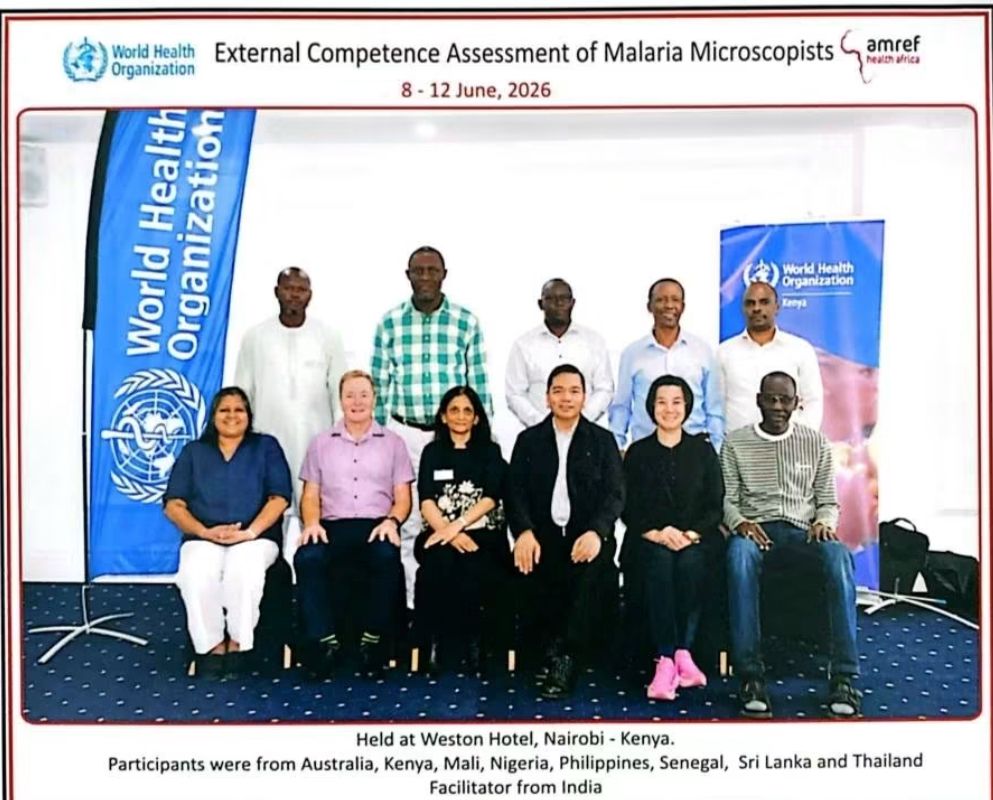
Nigeria Shines as Jide Bamiro Tops Global Malaria Microscopy Assessment
Nigeria’s medical laboratory profession has once again earned global recognition following the outstanding achievement of Mr. Jide Bamiro, a distinguished Medical Laboratory Scientist, who emerged as the world’s highest-ranked malaria microscopist in a highly competitive international malaria microscopy proficiency assessment.
Bamiro secured a flawless score of 100 percent, placing him ahead of participants from across the globe, including the individual previously recognised by the World Health Organization (WHO) as the world’s leading malaria microscopist, who finished second with a score of 98 percent.
The remarkable accomplishment has drawn admiration from professionals within the health sector and has been described as a significant milestone for Nigeria’s medical laboratory science profession and the country’s efforts in combating malaria.
Malaria remains one of the leading public health challenges globally, particularly in Africa, where accurate diagnosis plays a critical role in disease management and control. Experts note that the ability to correctly identify malaria parasites under the microscope remains one of the most important skills in laboratory medicine, making Bamiro’s achievement a testament to exceptional technical competence and professional excellence.
Widely respected within the field of malaria diagnosis, Bamiro made history as the first Nigerian and the third African to attain WHO Level 1 Certification in Malaria Microscopy, the highest level of international certification for malaria microscopists. Over the years, he has successfully maintained his certification through periodic recertification exercises, demonstrating consistent excellence in the highly specialized field.

Jide Bamiro
His professional career spans decades of service in malaria diagnosis, quality assurance, laboratory capacity building, diagnostic evaluation, clinical research, and public health interventions. Through his expertise, he has contributed significantly to strengthening malaria control programmes and laboratory systems within Nigeria and across several African countries.
Beyond the laboratory bench, Bamiro has played a pivotal role in training and mentoring healthcare professionals, facilitating international workshops, supporting external quality assurance programmes, and promoting best practices in malaria diagnosis. His contributions have helped improve diagnostic accuracy and strengthen confidence in laboratory results among healthcare providers and patients alike.
Stakeholders in the health sector have described the achievement as evidence that Nigerian professionals can compete favourably with their counterparts anywhere in the world when provided with the necessary opportunities and support.
The achievement also highlights the critical role of Medical Laboratory Scientists in healthcare delivery. Accurate laboratory diagnosis remains the foundation of effective treatment, disease surveillance, research, and public health decision-making. As the world continues to battle infectious diseases, the expertise of highly skilled laboratory professionals remains indispensable.
For many young scientists and healthcare professionals, Bamiro’s accomplishment serves as a powerful reminder that excellence, dedication, and continuous professional development can lead to global recognition.
As congratulations continue to pour in from colleagues, professional associations, and healthcare stakeholders, one message resonates clearly: Nigeria has produced the world’s best malaria microscopist, and the achievement is a source of pride for the nation, the healthcare community, and the entire African continent.
By attaining the highest score in a globally competitive assessment, Mr. Jide Bamiro has not only distinguished himself but has also reinforced Nigeria’s growing reputation as a source of world-class expertise in medical laboratory science.